- 0
- 553 words
Disclaimer: I am not a doctor or mental health professional. I’m simply sharing what personally helped me during a difficult season of life. If stress, anxiety, or insomnia are affecting your health or daily life, always speak with your doctor or a qualified mental health professional.
There was a season in my life when stress seemed to follow me everywhere.
Between health concerns, family struggles, financial pressure, and the uncertainty that life sometimes throws at us, my mind rarely slowed down. At night, when everything became quiet, the overthinking would begin.
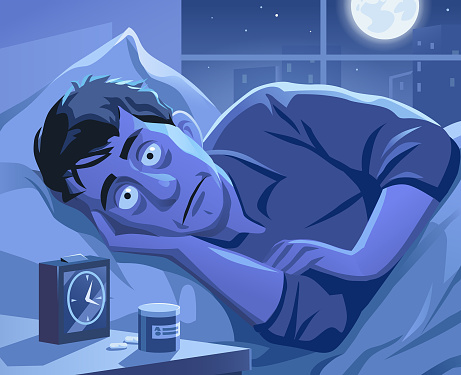
I would lie awake replaying conversations, worrying about the future, and mentally trying to solve problems that couldn’t even be fixed at 2 a.m.
And the more I worried about not sleeping, the harder sleep became.
After several restless nights, I’d drag myself through the next day exhausted, hoping that tonight would finally be different.
If you’ve ever experienced insomnia caused by stress or anxiety, you know how draining it can be. Lack of sleep doesn’t just affect your energy — it slowly affects your mood, focus, patience, emotional well-being, and overall quality of life.
What surprised me most was learning that sometimes the struggle isn’t just sleeplessness itself — it’s the pressure we place on ourselves to sleep.
Last year, I read a classic book by Dale Carnegie called How to Stop Worrying and Start Living. Although it isn’t specifically a book about insomnia, it ended up helping me tremendously with stress, anxiety, and the cycle of overthinking at night.
One idea from the book completely changed my perspective.
Carnegie explained that many people who believe they “didn’t sleep at all” actually did sleep — just not deeply enough to feel fully rested. That realization alone helped ease some of the panic I had built up around sleep.
But the biggest lesson was this:
Stop fighting with the night.
When we can’t sleep, many of us begin stressing about the fact that we’re awake. We start watching the clock, calculating how tired we’ll be tomorrow, and desperately trying to force ourselves to fall asleep.
But forcing sleep rarely works.
In fact, it often creates even more tension in an already stressed mind.
What helped me most was making a simple agreement with myself:
“I’ll deal with these problems tomorrow. Right now, I’m simply going to rest.”
That small shift changed everything.
Instead of pressuring myself to sleep, I permitted myself to simply lie down peacefully. If I fell asleep, great. If not, at least my body and mind were still getting some level of rest.
Ironically, once the pressure disappeared, sleep usually came naturally.
Even now, whenever stress tries to creep in at night, I remind myself:
“You do not need to solve your entire life tonight.”
That thought alone brings a sense of calm.
Overthinking and rumination can feel overwhelming, especially during difficult seasons of life. But sometimes the first step toward better sleep isn’t trying harder — it’s learning to release the pressure, quiet the mental battle, and allow yourself to rest.
And if sleep struggles continue, never hesitate to seek support. Books, healthy routines, therapy, stress management techniques, and professional guidance can all make a meaningful difference.
Sometimes healing begins the moment we stop fighting ourselves.
Author

jennifertriches@gmail.com