- 0
- 481 words
Ever find yourself looking back on a memory and thinking it was such a wonderful time, while the present feels far less than perfect? Sometimes we place the past on a pedestal, convincing ourselves that life was better then, and in doing so, we become dissatisfied with the life we’re living now. The more we idealize the past, the more the present can feel lacking—even if the reality of that “perfect” time was far more complicated than we remember.
When we think about happiness, we usually imagine moments of pleasure: laughing with friends, relaxing on a beach, enjoying a great meal, or receiving good news. It’s easy to assume that a happy life is simply the sum of happy moments.
But what if some of the experiences that contribute most to our happiness didn’t actually feel very happy while they were happening?
Experienced happiness is what you feel in the moment. It’s your real-time emotional state as you move through daily life. Are you enjoying yourself? Are you relaxed, comfortable, excited, or content?
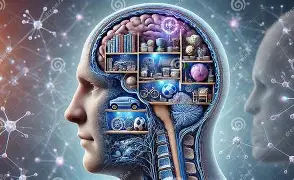
Remembered happiness, on the other hand, is how you look back on an experience after it’s over. It’s the story your mind creates about what happened and what it meant.
Interestingly, these two forms of happiness don’t always agree.
Part of the answer lies in how memory works. We don’t store experiences like video recordings. Instead, our brains compress them into narratives. We remember the highlights, the turning points, the lessons learned, and the emotions that lingered. We tend to focus less on the countless ordinary or difficult moments and more on what the experience ultimately gave us.
A mountain climb may be remembered not for the aching legs and freezing temperatures, but for the sense of accomplishment at the summit. A difficult career transition may be remembered not for the anxiety, but for the growth and opportunities that followed.
Many of us spend a great deal of time trying to maximize comfort and minimize discomfort. While there’s nothing wrong with enjoying life’s pleasures, a life built entirely around immediate enjoyment may not always lead to the deepest sense of fulfillment.
Some of the most rewarding experiences require effort, patience, and even temporary struggle. They challenge us, shape us, and become part of our identity.
That doesn’t mean we should seek hardship for its own sake. Rather, it suggests that happiness is more complex than simply feeling good all the time.
A fulfilling life often contains both kinds of happiness: moments that bring joy in the present and experiences that become meaningful in retrospect.
So the next time you’re in the middle of something difficult but worthwhile, remember that not every valuable experience feels pleasant in the moment. Sometimes the experiences that test us the most become the stories we’re happiest to tell later.
Author

jennifertriches@gmail.com